

Summer Workshop
“In Praise of Frugality. Sensory Gardens at School”
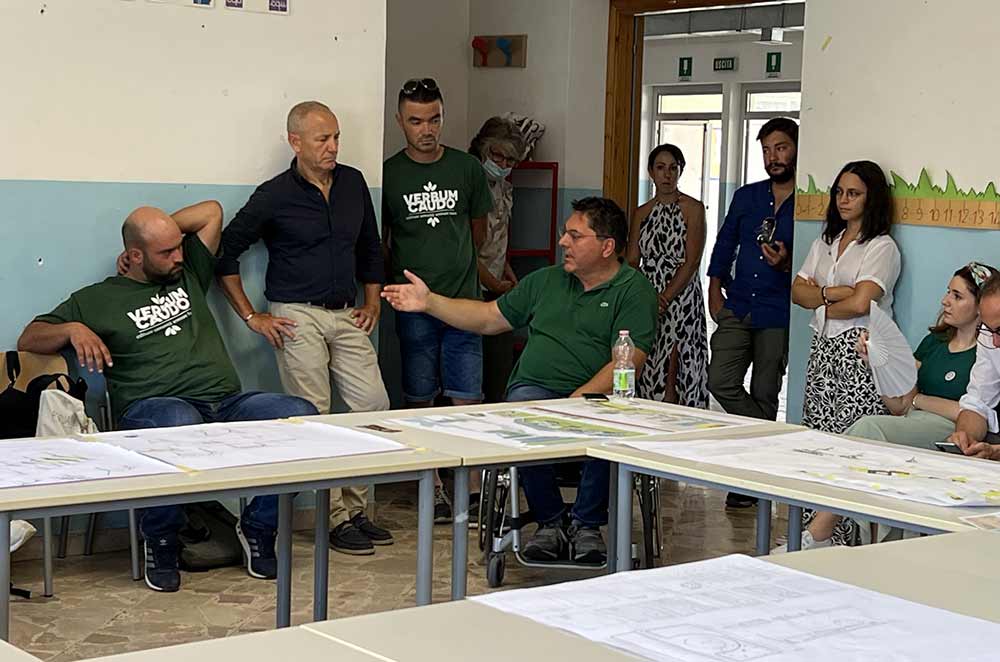
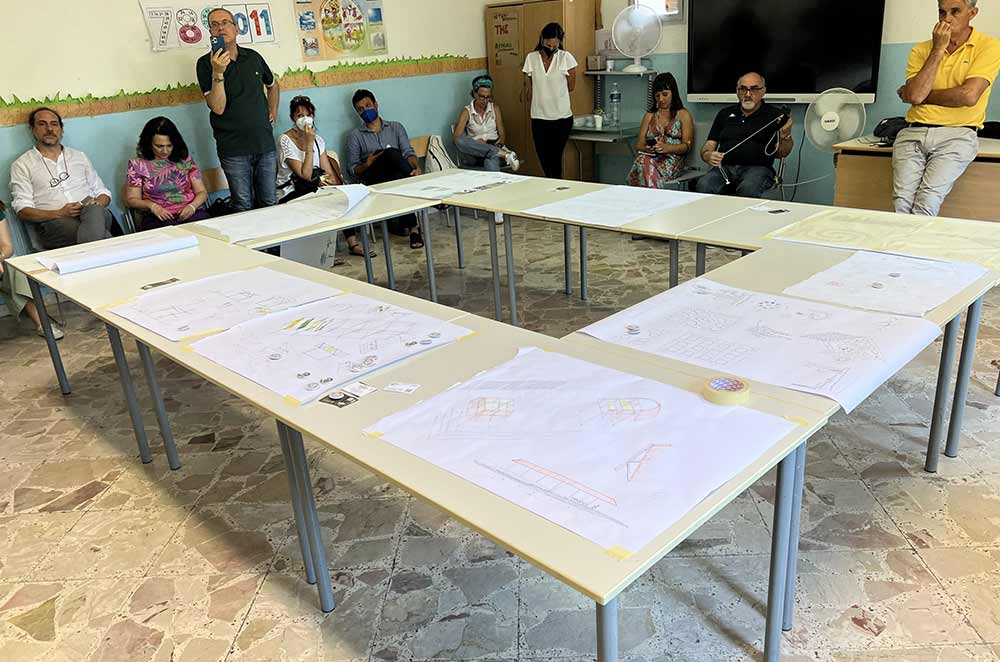
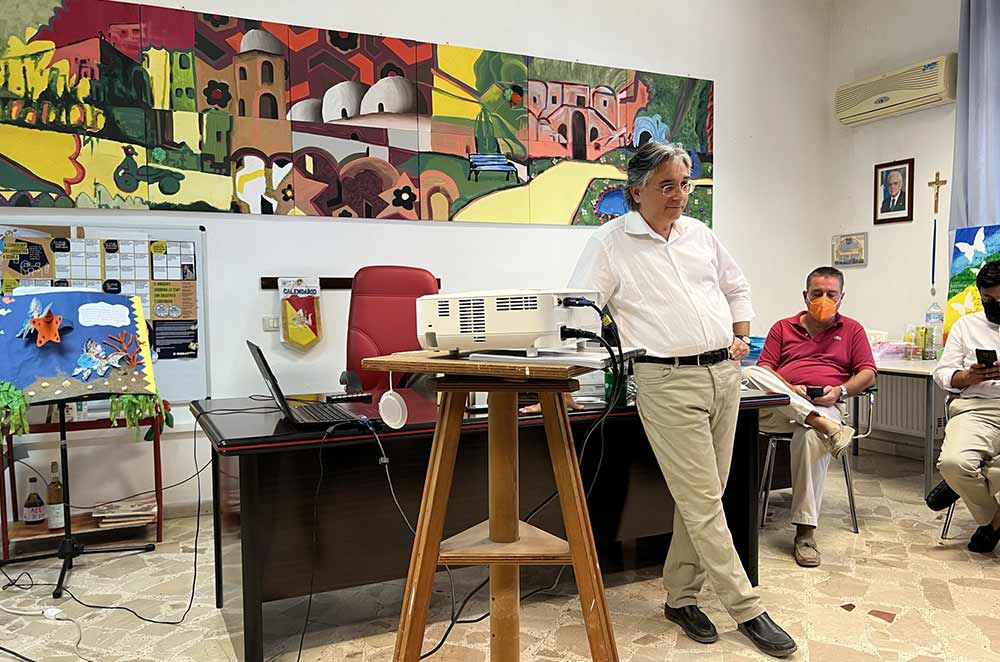
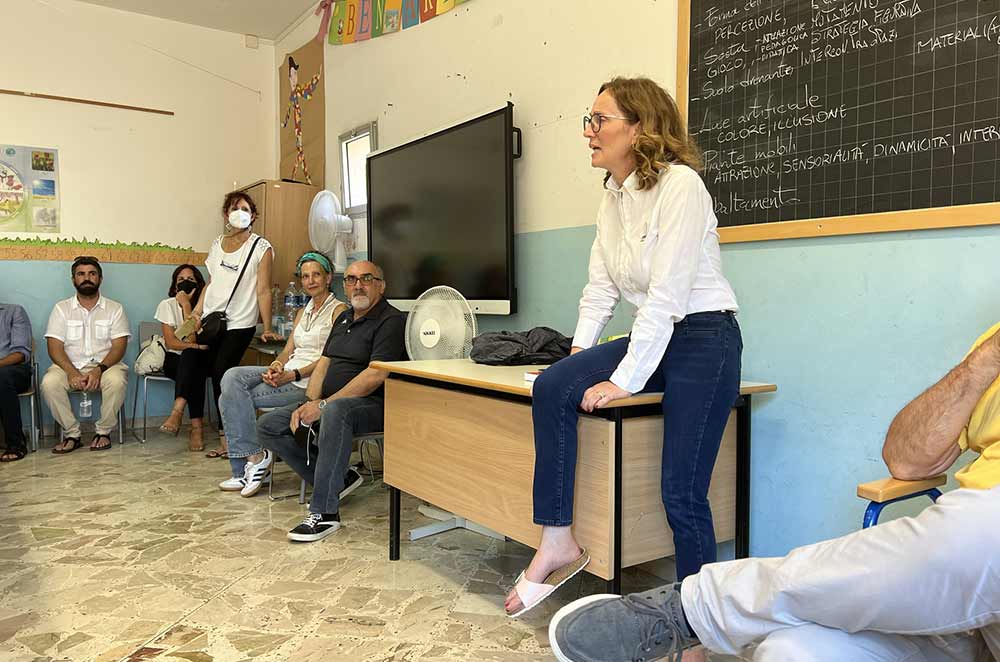
Organizing body: De Amicis-Da Vinci Comprehensive Institute; the LabCity Architecture (DARCH-UniPA) multidisciplinary research group; with the collaboration of national and international experts and students of the Architecture and Design degree courses of the Department of Architecture of the University of Palermo
Event location: De Amicis-Da Vinci Comprehensive Institute, Palermo (PA)
Event date: July 19 – July 23, 2022
Event description:
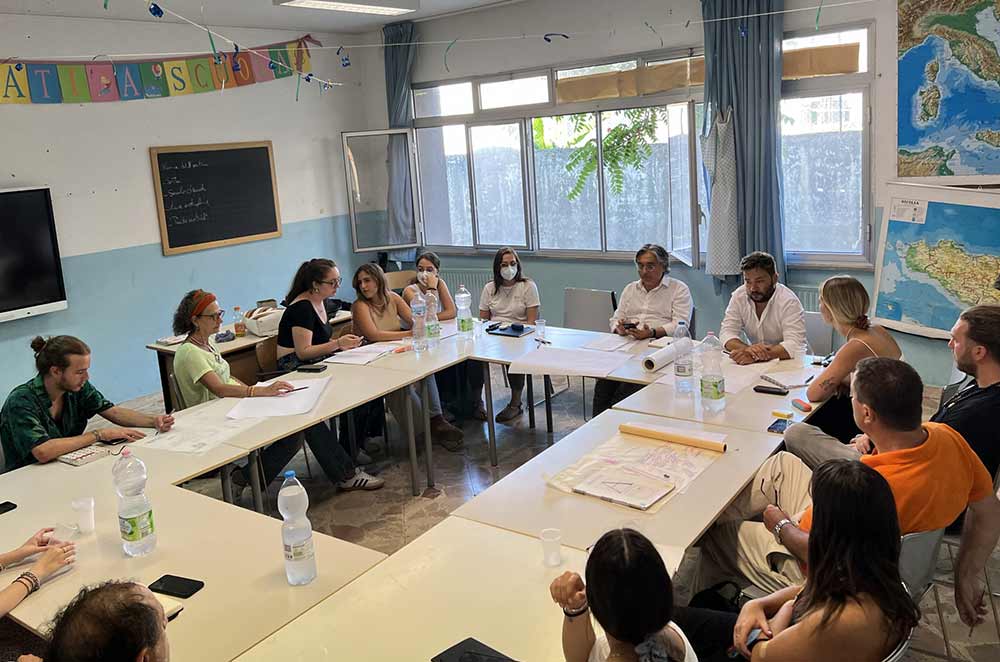
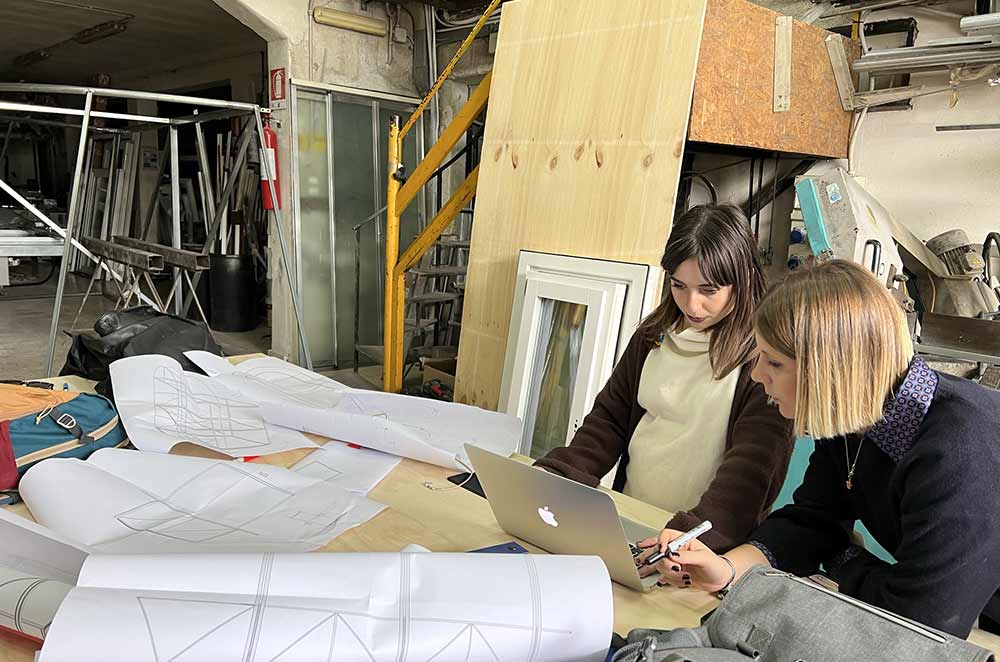
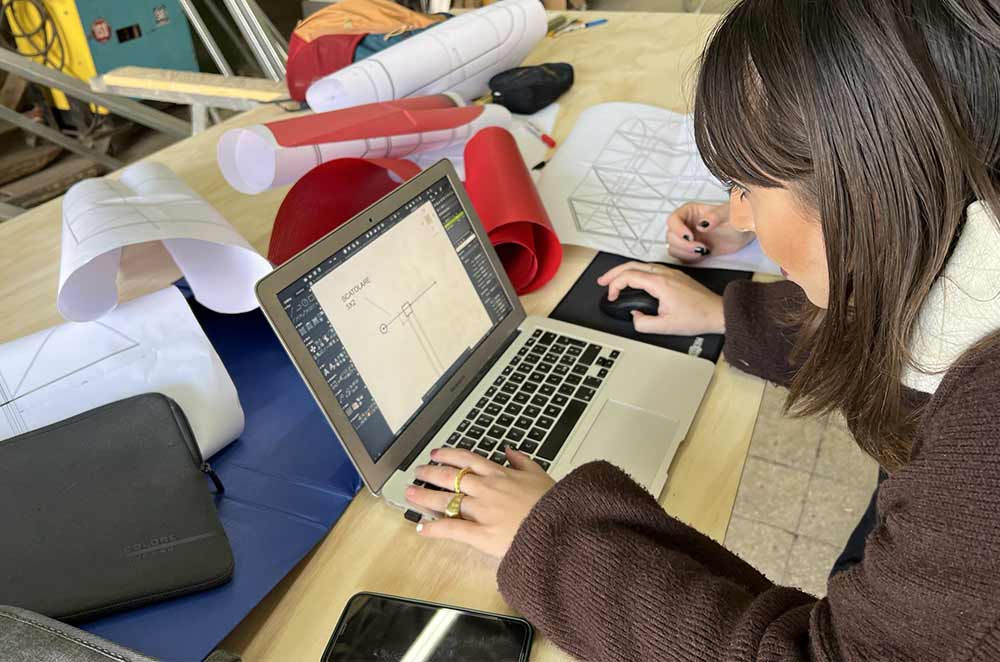
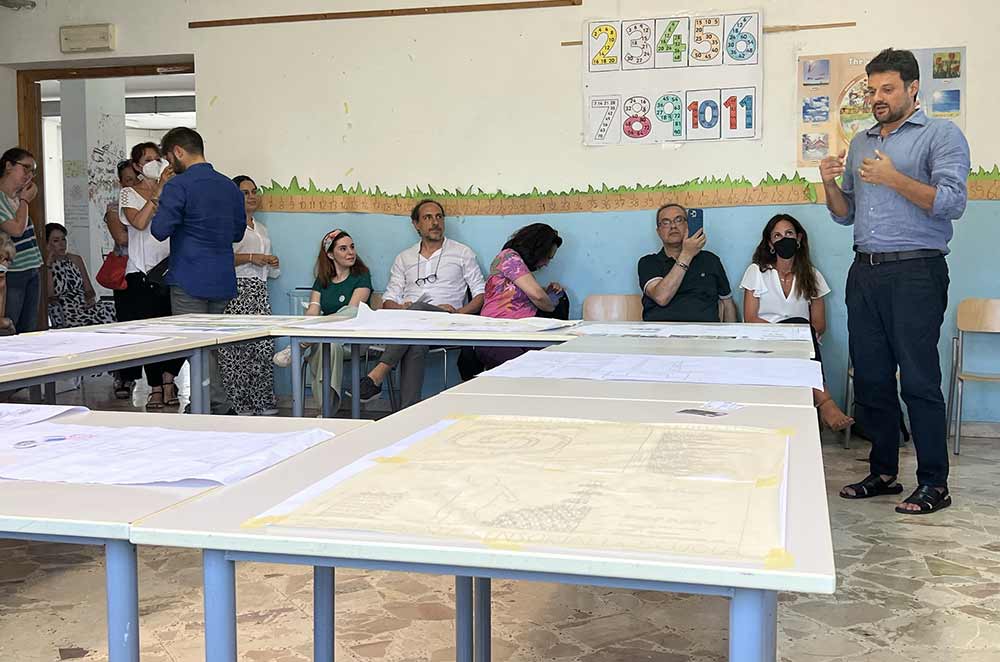
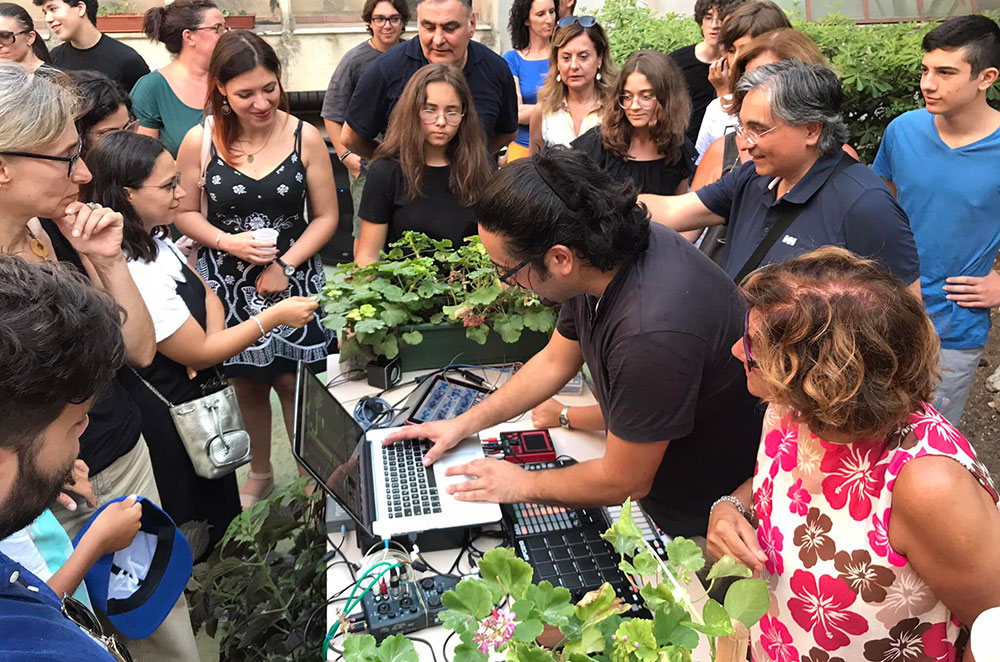
The summer workshop “In Praise of Frugality. Sensory Gardens at School” represents a significant experience of shared design, combining architecture, pedagogy, and social responsibility. The school was placed at the center of a broader reflection on its role as a civic oasis, a space open to the community, and a place for the education of future citizens.
At the heart of the design process are the themes of frugality, care for spaces, and outdoor learning, interpreted as concrete tools for addressing the educational and ecological transition.
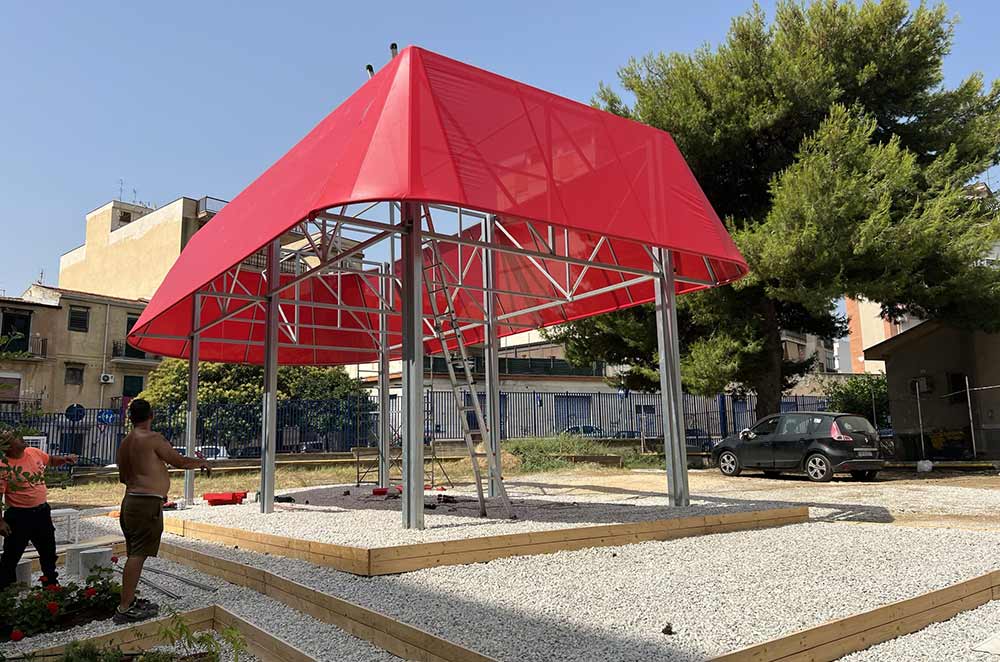
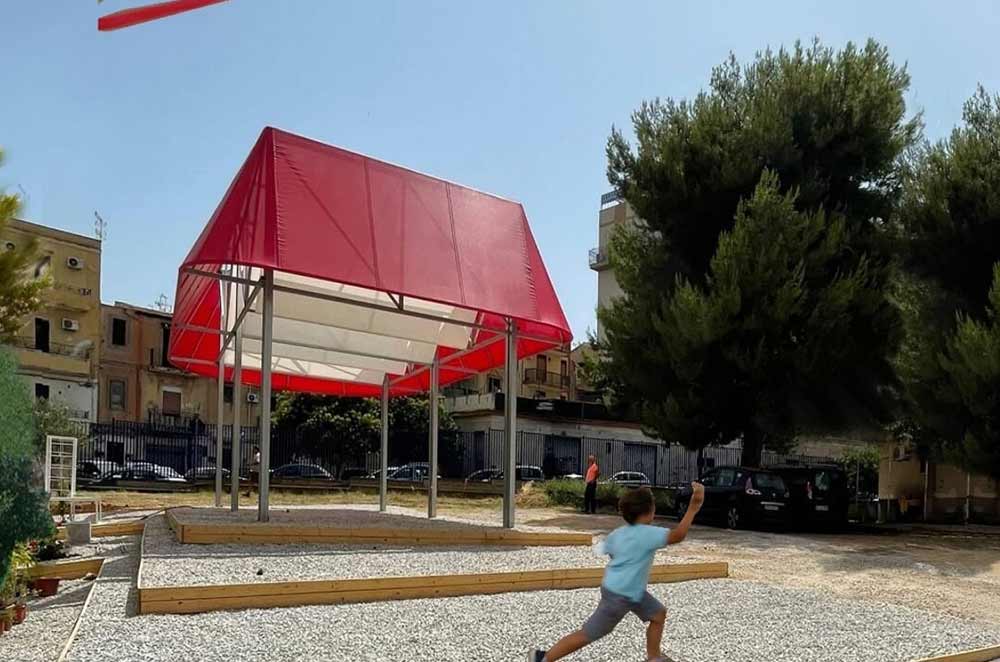
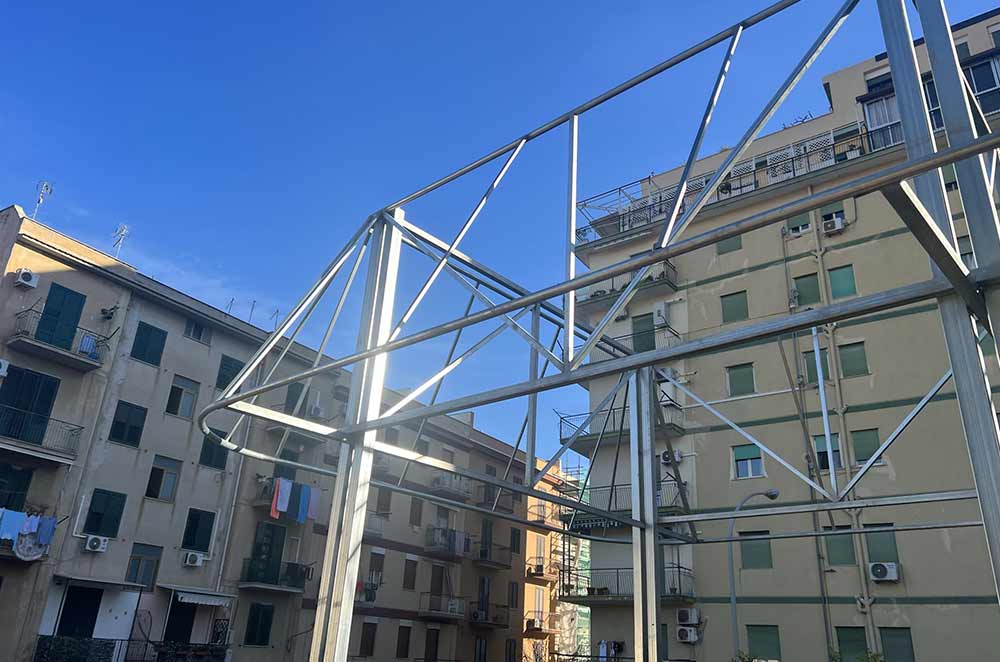
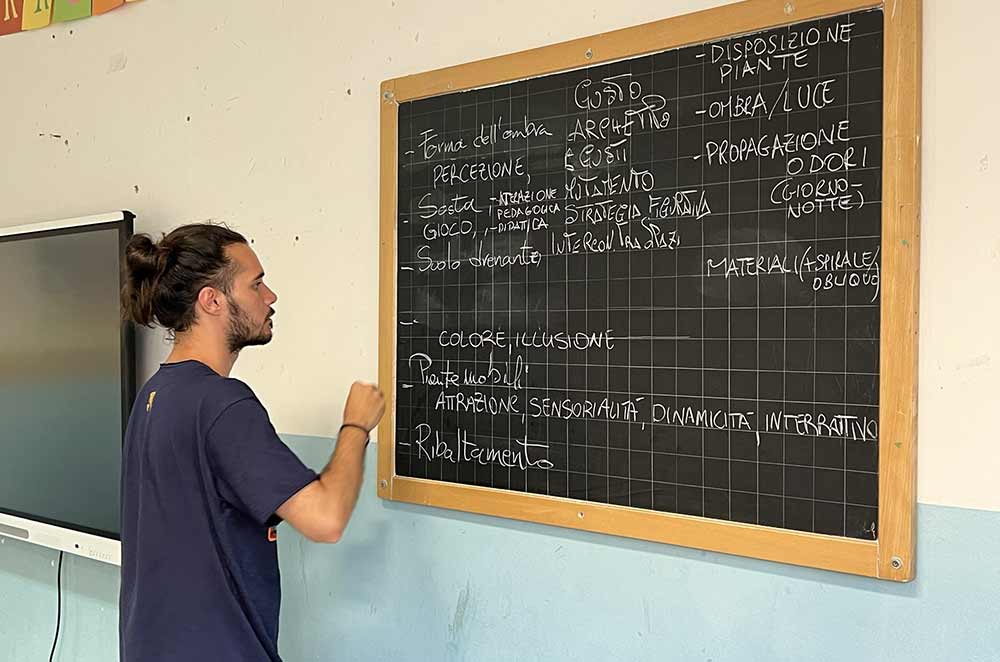
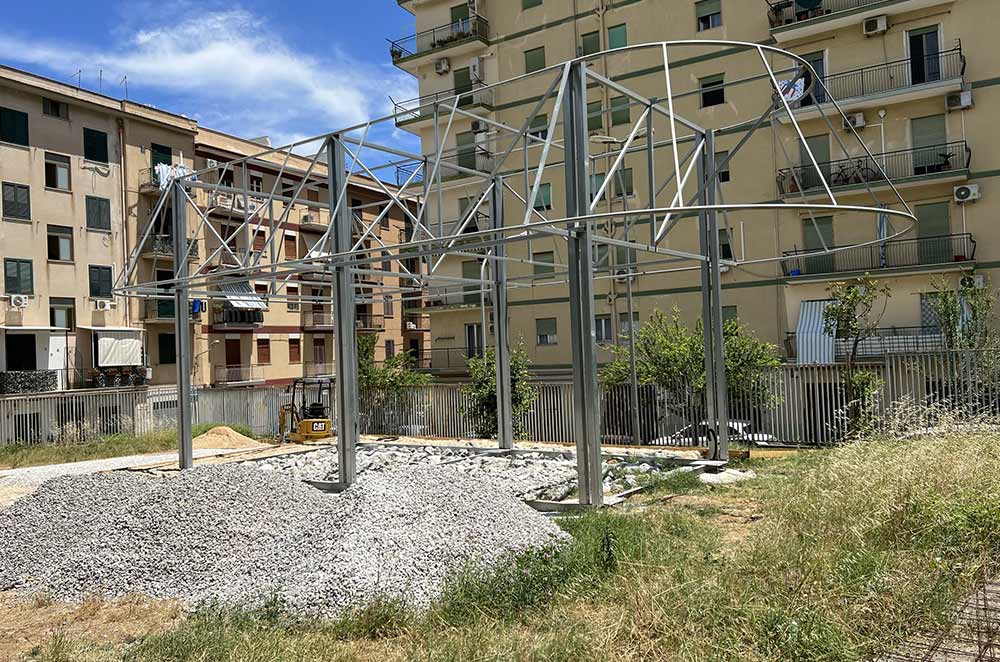
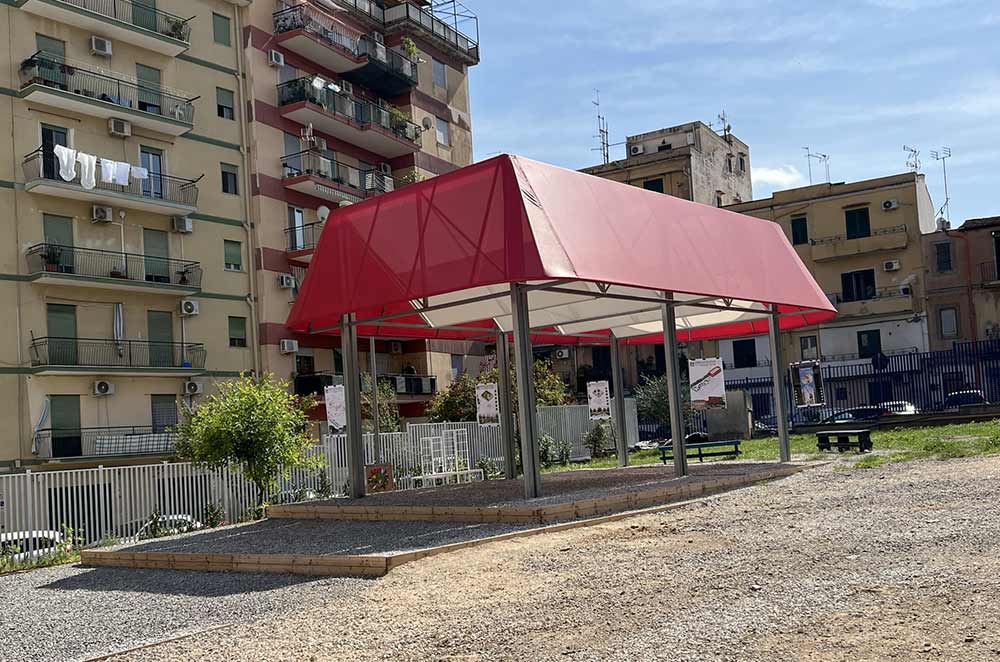
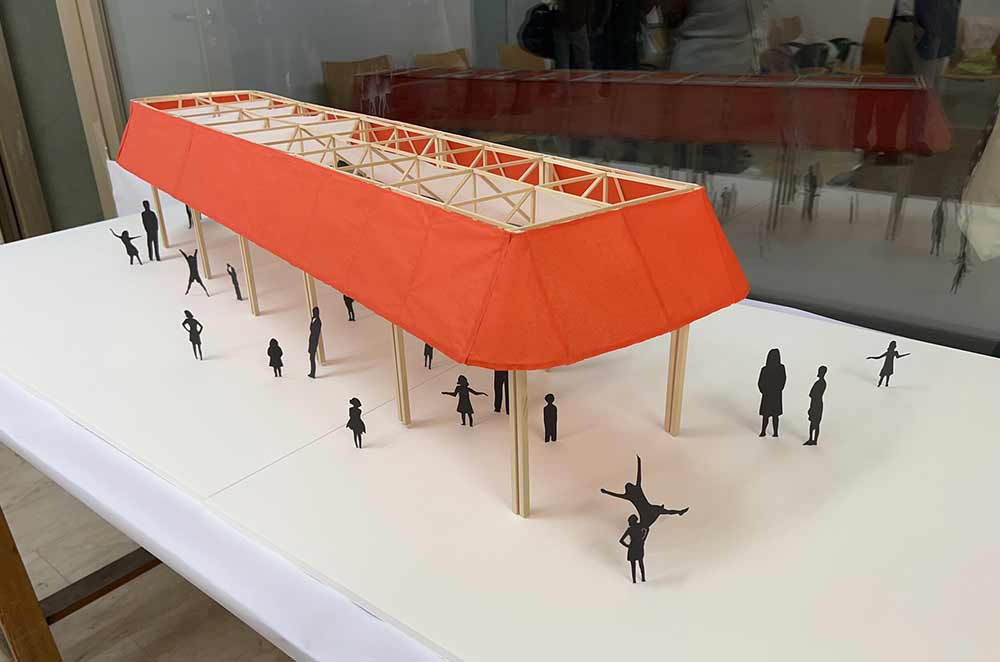
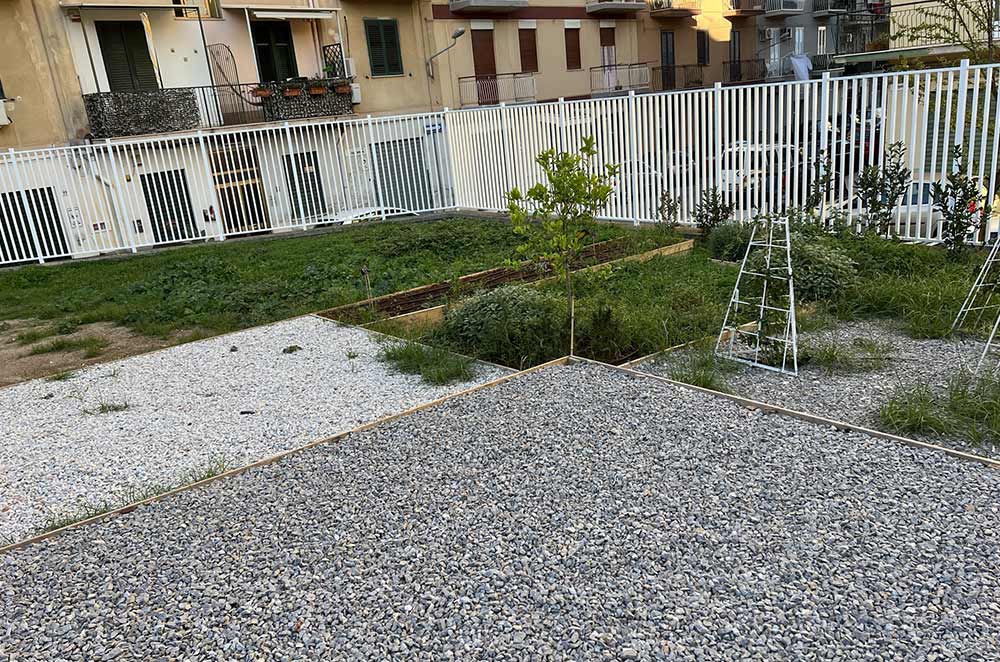
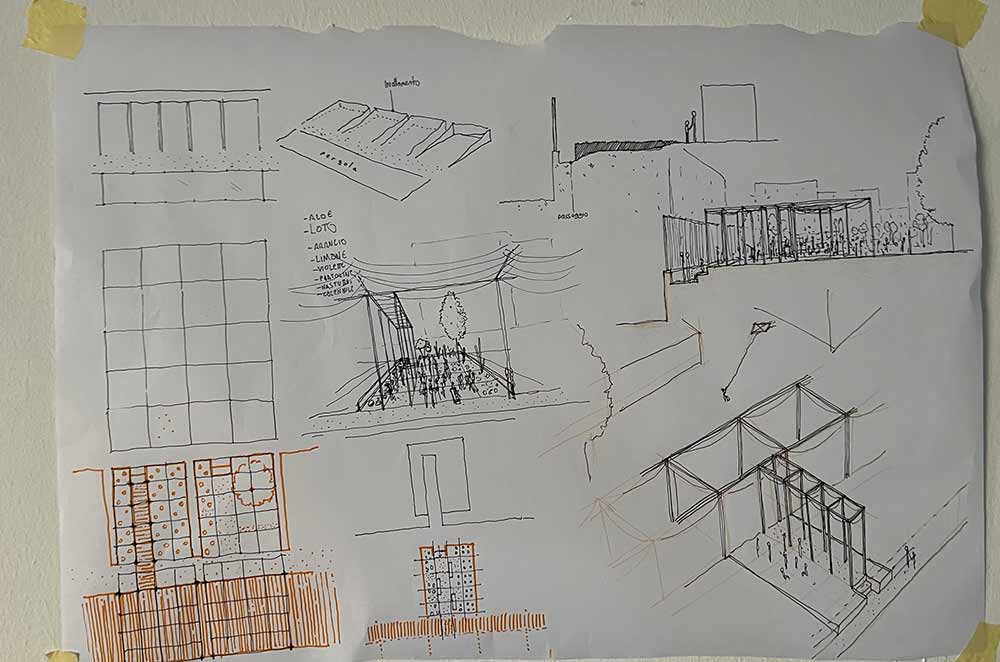
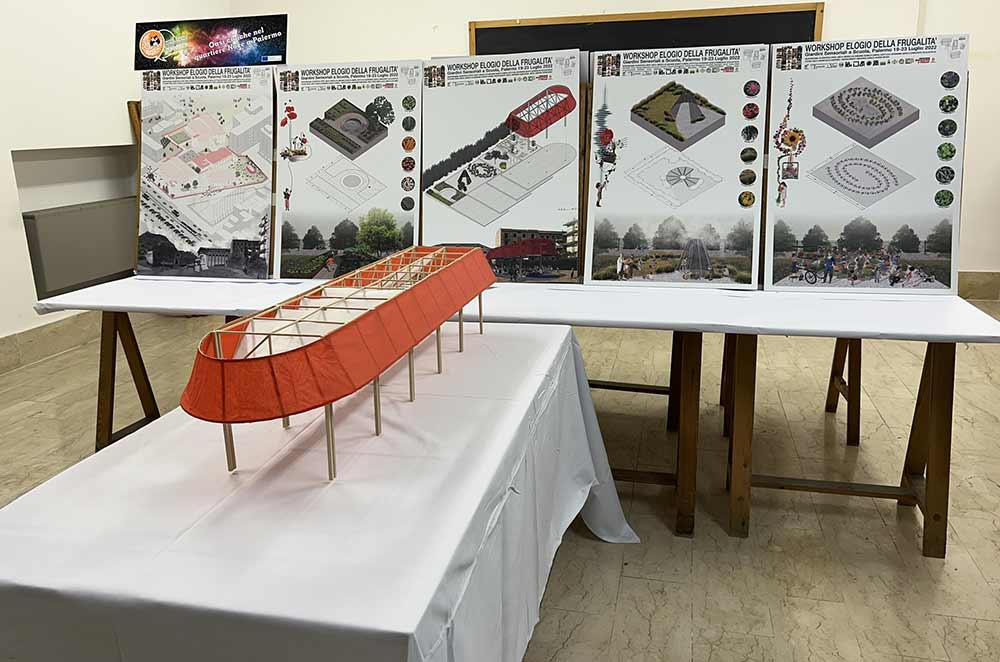
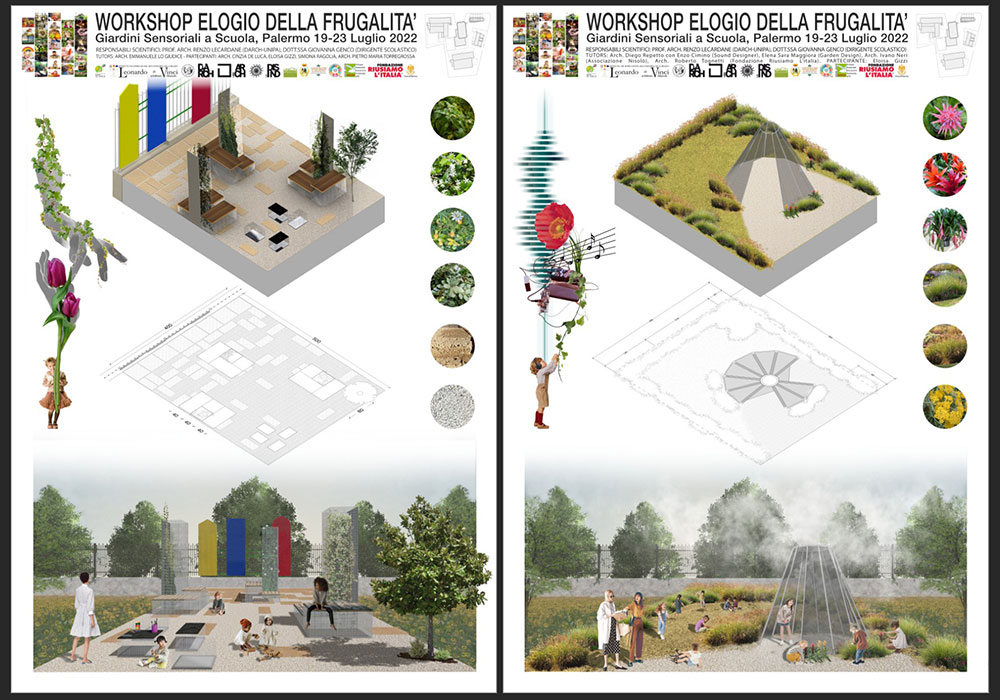
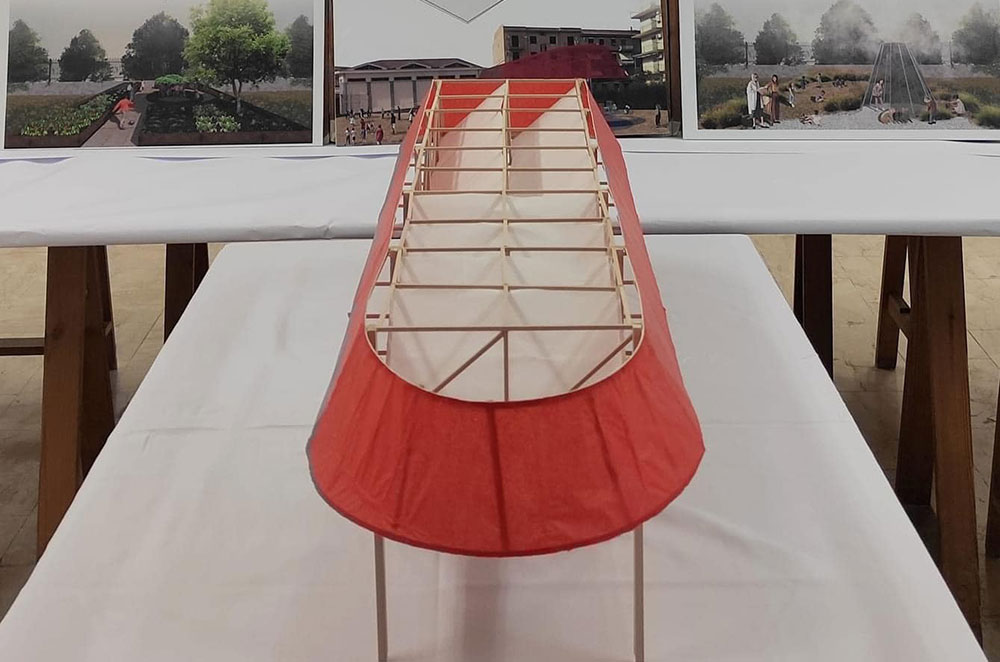
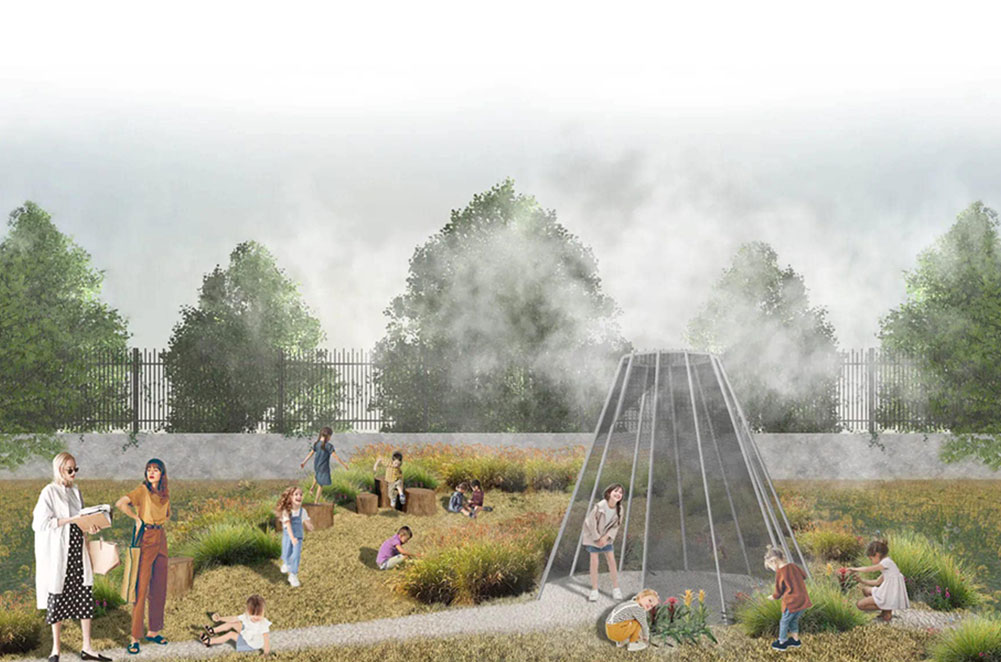
The workshop led to the design of a sensory path composed of five thematic gardens and a pergola-atelier, designed to guide children in their discovery of the cyclical nature of the seasons, their relationship with plants, and the Mediterranean environment. The quality of the open space, innovative teaching, and the relationship between body, nature, and learning were the cornerstones of a working method attentive to the critical social and urban issues of the context.
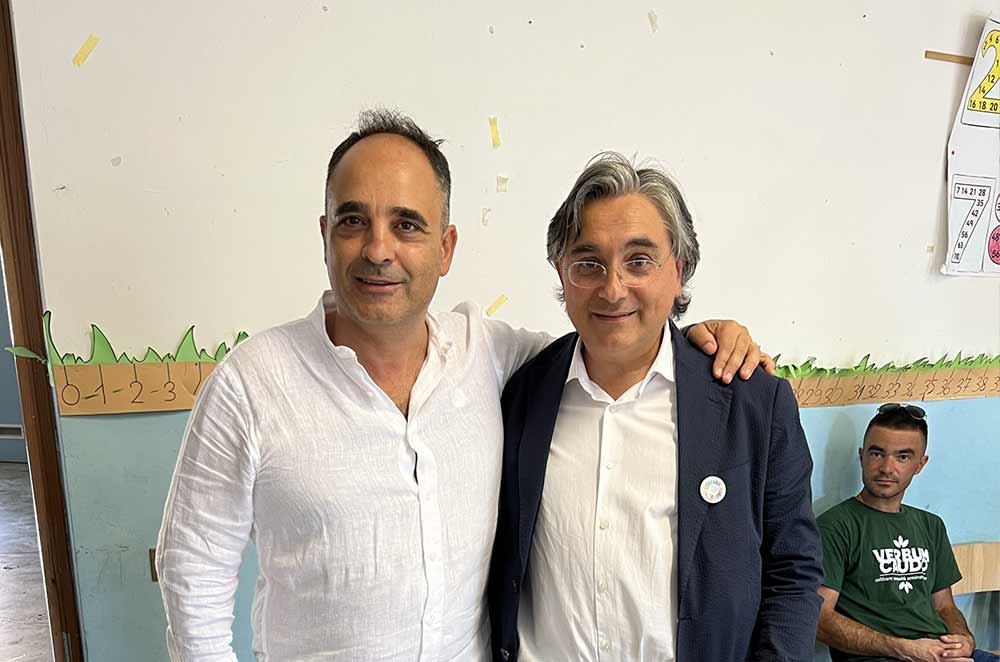
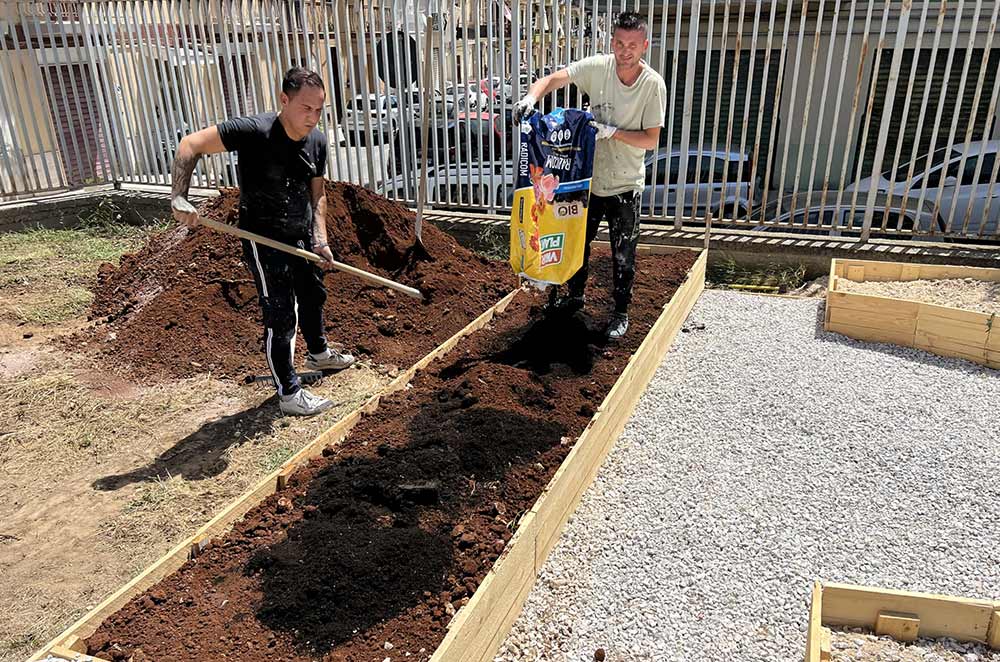
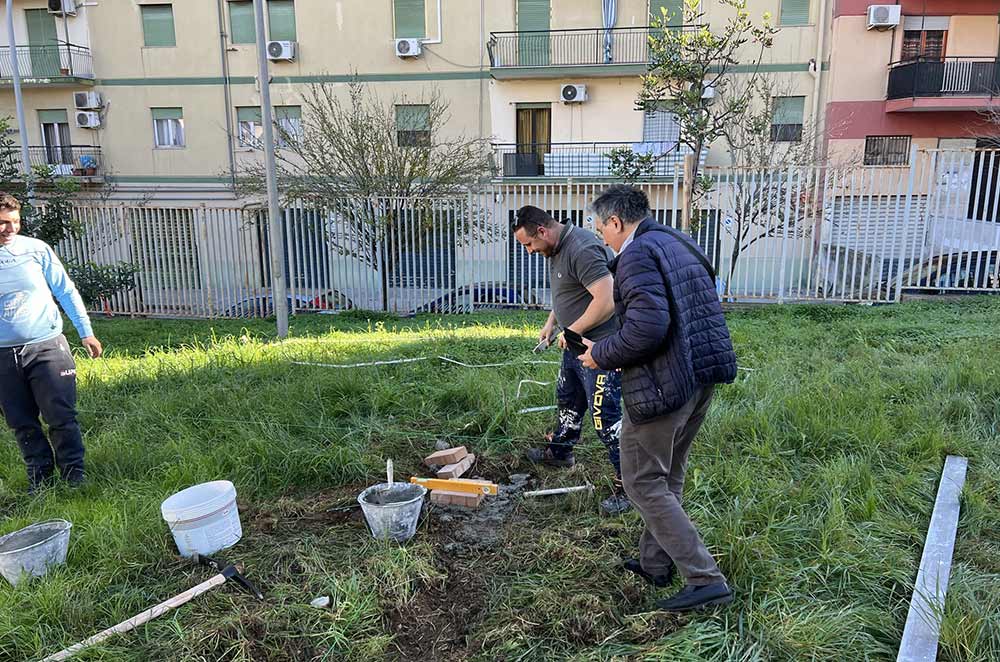
Architect Mariano Genovese’s role was to translate the design ideas emerging from the workshop into a concrete and feasible executive project. His intervention represented the decisive shift from educational experimentation to the construction of a real space, capable of restoring value and continuity to the collective work carried out during the workshop.
Through careful, measured design consistent with the principles of frugality and sustainability, Mariano Genovese successfully interpreted the profound meaning of the initiative, transforming the sensory gardens into a lasting educational infrastructure.
The project was funded by European Structural Funds under the PON “For Schools – Skills and Learning Environments” 2014–2020, Edugreen Action, and was tested by engineer Matteo Accardi.
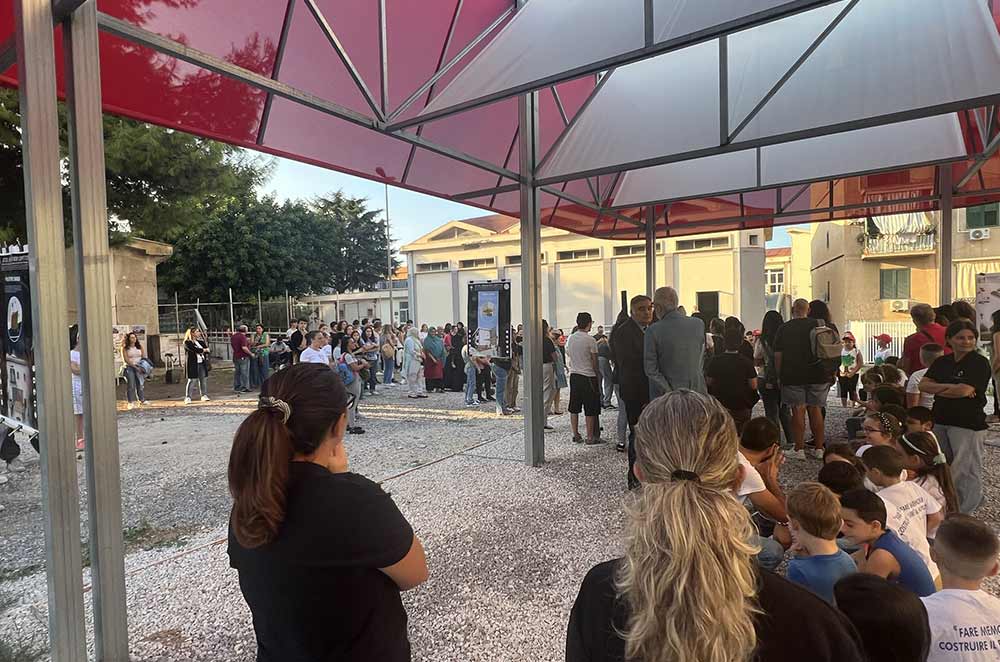
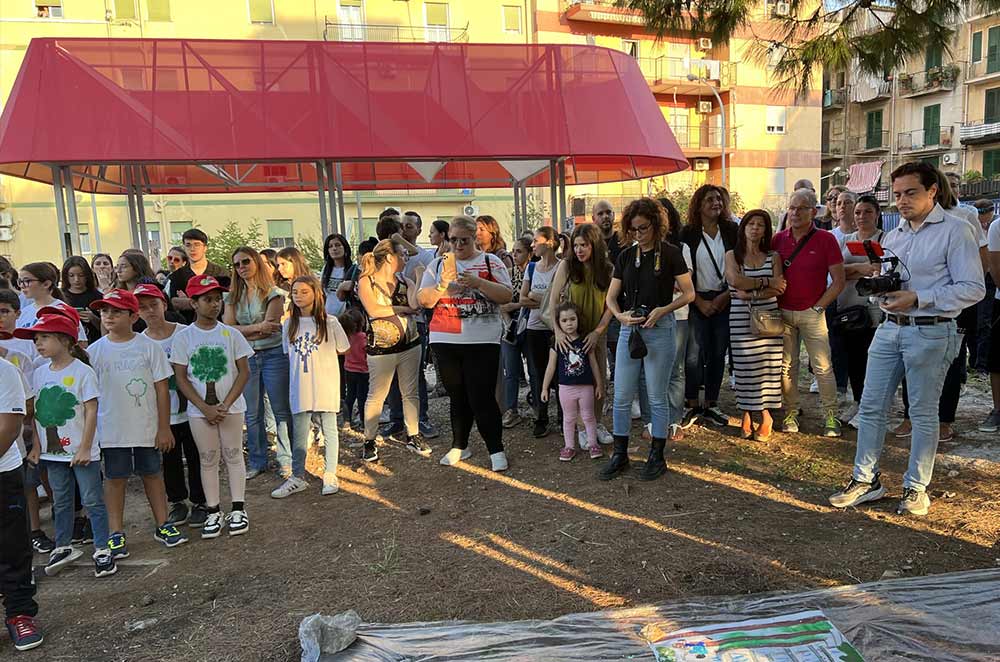
The opening of the Sensory Gardens at the school to the public on October 6th marked not only the conclusion of a design process but also the beginning of a new way of experiencing school: a space where architecture, nature, and community interact, and where frugality becomes an educational and cultural resource for the future.
In this context, the contribution of architect Mariano Genovese takes on crucial value, making the vision that emerged from the workshop concrete and lasting. The translation of the design ideas into a realized project, essential yet strategic, demonstrates how the quality of architecture lies not in formal complexity, but in its ability to activate relationships, generate a sense of belonging, and respond to the real needs of an educational community. The five sensory gardens thus become both pedagogical and civic devices: open, flexible spaces, capable of being experienced daily by students and, beyond school hours, by the neighborhood.
The project interprets the school as a local public infrastructure, strengthening its role as an educational, social, and cultural hub in the fragile context of Noce. Through a restrained, frugal architecture deeply rooted in its location, the project demonstrates how even small spaces can bring about major transformations, contributing to a regeneration that is both urban and human. In this sense, the sensory gardens are not merely a design outcome, but an operational manifesto for a school that opens up, welcomes, and fosters citizenship, confirming the political and civic value of the project shared between the school, university, and the local community.
event gallery
Project Management for Architecture and Construction in accordance with ISO Standards
NSULÆ coordinates projects and construction sites by applying the principles of ISO 21500, ISO 21502 and UNI 11720, ensuring reliable timelines, controlled costs and high quality standards.
We manage the entire construction process—from vision to delivery—integrating design, safety, administrative procedures and site control. Thanks to the INCANT digital platform, we guarantee constant monitoring, traceability of activities and effective communication among all stakeholders: designers, contractors, brands and public authorities. Safer, faster, more reliable projects.
A single point of contact. A guaranteed method and result.